All articles
Four Industry Moves Reveal a New Model for Content Production in the Fortune 500
Four major industry moves from PepsiCo, Keurig Dr Pepper, WPP, and Omnicom show how content production models are being rebuilt.

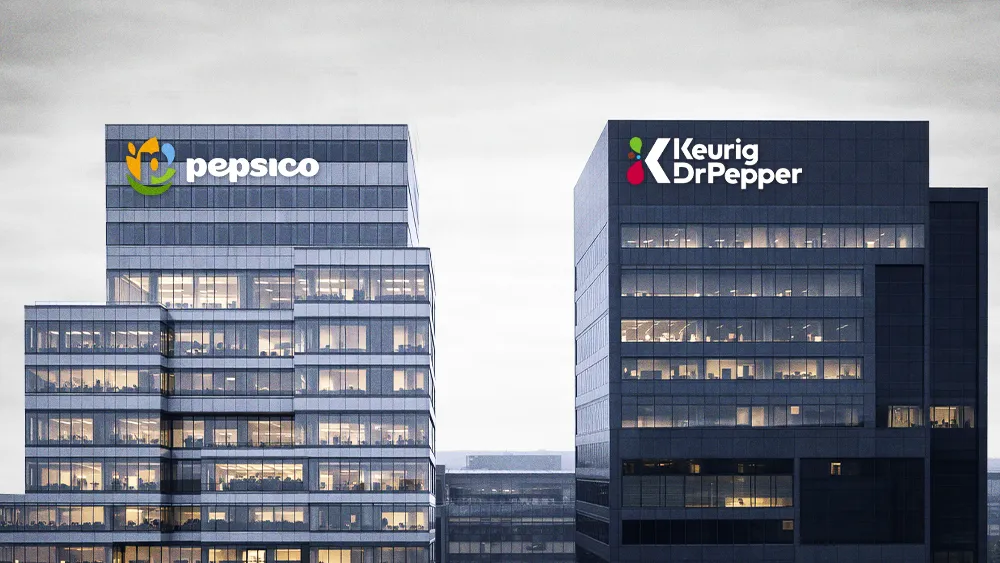
In the span of a few months, the brand content world got a clear view of where production is heading from several very different directions. PepsiCo introduced a hybrid model it calls "co-sourcing." Keurig Dr Pepper dismantled an 80-person in-house agency. WPP elevated production into a standalone division alongside media and creative, and the recent Omnicom-IPG merger cut thousands of jobs while expanding access to AI-powered content tools.
Each of these moves respond to the same underlying question: what does a modern content operation actually look like? The old build-or-buy debate no longer holds up because it doesn't reflect how teams are working today. The brands gaining traction aren't choosing one model, they're combining them, keeping brand direction close while extending outward for scale, production, and infrastructure. What's emerging is a more deliberate architecture for how content gets made. The following four examples show how different companies are building toward that model.
Co-sourcing takes shape: PepsiCo's partnership with VaynerMedia gives this new architecture a name. Rather than treating the relationship as outsourcing, both sides have described it as "co-sourcing," with shared KPIs, integrated workflows, and a more unified operating rhythm. The company reported improved output and engagement across its brand portfolio, including Pepsi, Mountain Dew, Starry, Mug, and Bubly. The bigger takeaway is not that PepsiCo found the right agency partner. It's that the line between internal and external starts to matter a lot less when both sides are working against the same business outcomes.
In-house stays exposed: Keurig Dr Pepper's shutdown of Liquid Sunshine highlights how fragile in-house models can be without structural support. The internal agency employed more than 80 people and had built a notable portfolio, yet it was still dismantled during a broader reorganization. Creative duties for brands like 7UP and RC Cola shifted back to external partners such as BBH USA. The outcome points to a structural reality: when an internal studio operates as a cost center without clear ties to revenue, it remains vulnerable during budget reviews, regardless of the quality of its work.
Production moves to the center: WPP's Elevate28 restructuring made production a core part of its operating model. The company consolidated into four divisions (media, creative, production, and enterprise) positioning production alongside its most strategic functions. The production unit now includes thousands of employees across 40+ markets, with a plan to drive £500 million in annual savings by 2028, according to Marketing Dive, while reinvesting in AI-enabled workflows. At the same time, brands are expanding their own studio and entertainment capabilities, with companies like Dick's Sporting Goods earning two Sports Emmy wins as Marketing Dive reported, and Starbucks developing original projects. Production is being built as infrastructure that supports content at scale.
Scale gets rebuilt by AI: The Omnicom-IPG merger shows how quickly production models are being restructured around AI. The combined entity, valued at more than $25 billion, reduced its workforce by over 4,000 roles while expanding access to generative AI tools across teams. Content production is being redesigned for higher output, faster timelines, and more personalized delivery. Human roles are still central, but more of the system now supports automation, iteration, and scale. As that infrastructure expands, expectations around speed, volume, and efficiency continue to rise.
What starts to come into view across these examples is that the studio model isn't going away, but it's no longer one thing. Fully in-house teams can be vulnerable and fully external models can start to feel interchangeable. The more stable approach is landing somewhere in between, with strategy, brand voice, and creative direction kept close, and production, scale, and specialized expertise extended outward. This structure holds up because it's flexible, allowing teams to move faster without losing what makes the brand distinct.
For marketing leaders, the question has become much more straightforward than the old build-or-buy debate ever allowed. It's no longer about choosing one model. It's about deciding what should stay internal, what should be handled externally, and how those pieces work together day to day. The teams making progress here are paying close attention to how everything connects: shared systems, aligned KPIs, and workflows that keep work moving without friction. The strongest content operations are built around that foundation, set up to scale, adapt, and stay consistent even as conditions change.