All articles
April Fools' Day 2026 Proved That Brand Humor Has Become a Conversion Channel

This year's most effective brand pranks weren't built for laughs alone. They attached real offers, drove measurable engagement, and followed a pattern worth studying.

April 1 arrived this year with the usual barrage of brand pranks, but a consistent pattern separated the campaigns that earned attention from those that were immediately forgotten. The strongest entries shared a structural similarity: a fictional product that felt almost plausible, paired with a real incentive that turned the joke into an interaction. Campaign US and Ad Age both noted the shift, with coverage across outlets suggesting the format had evolved beyond one-day stunts.
The "fake product, real reward" model: As Campaign US reported, Virgin Voyages launched a faux fragrance campaign for "L'Aire de Voyage," complete with notes of sea salt, SPF, and Gummi Bears, produced with full '80s-era creative styling. The twist: fans who clicked "add to cart" received a real $100 bar tab credit for a future sailing. The joke pulled audiences in. The offer converted them. Other brands followed the same logic — fictional product announcement, social engagement, then a reward that tied back to the actual business. The economics work because the fake launch generates organic reach while the real offer captures intent.
Product truth as creative fuel: An analysis of 23 April Fools' campaigns found that the campaigns generating the most sustained engagement were rooted in something the brand actually does or could plausibly do. A random absurdist gag gets shared once. A fake product that lands in the sweet spot between "that's ridiculous" and "wait, would they actually make that?" generates debate, speculation, and return visits. The tension between plausibility and absurdity drove the highest-performing campaigns precisely because it invited participation rather than passive consumption.
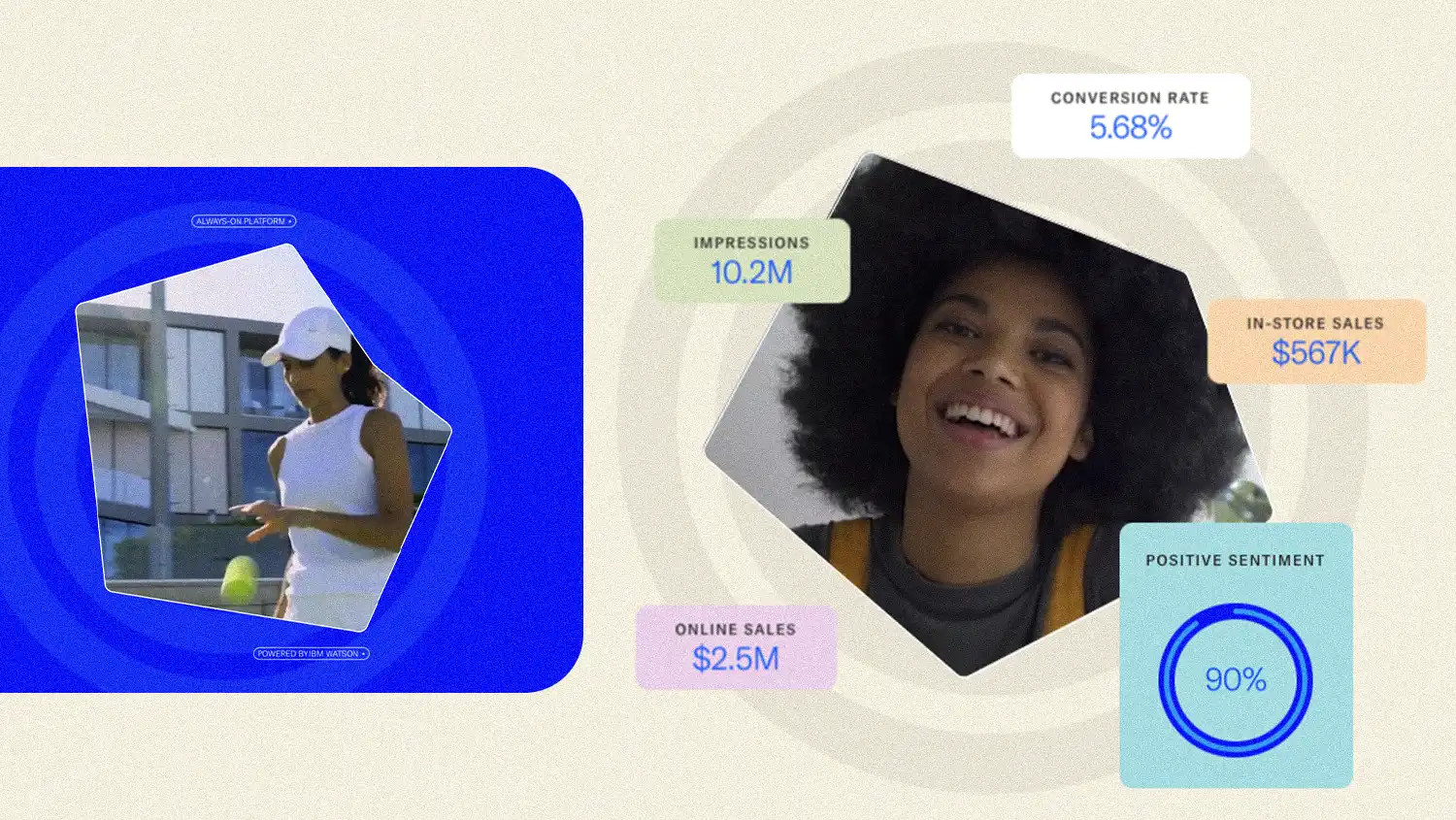
Humor as repeatable format: The larger signal is that humor-driven campaigns are being treated with the same operational rigor as product launches. Landing pages, promotional codes, list capture forms, and conversion tracking were built into the campaigns from the start — not bolted on as an afterthought. Marketing teams that once treated April Fools' as a creative exercise are now treating it as a planned activation with defined KPIs. That shift reflects growing confidence that humor, when grounded in audience insight and tied to a conversion path, generates engagement that outperforms most standard content formats in organic reach and shareability. Enterprise marketing teams are applying similar operational discipline to video events and branded content — treating every production as a planned activation with defined KPIs rather than a one-off creative exercise.
The campaigns that landed in 2026 shared one more quality worth noting: they were platform-native. The creative matched how content moves on each channel rather than adapting a single concept across every surface. That combination of product truth, real incentive, platform fluency, and measurable backend represents a formula that extends well beyond April 1. The format works because it earns attention through entertainment and then converts that attention through value, a combination that most standard campaign formats struggle to achieve at the same cost.