All articles
Brands Are Moving From One-Off Influencer Campaigns To Always-On Creator Content Systems

Sarah Adam, Head of Growth Partnerships & Influencer Marketing at Wix, is building creator programs that extend beyond campaigns.
Long-term creator relationships are the foundation of any effective influencer strategy. They allow brands to work faster, scale more efficiently, and turn influencers into real extensions of the brand.

Head of Growth Partnerships & Influencer Marketing
Wix
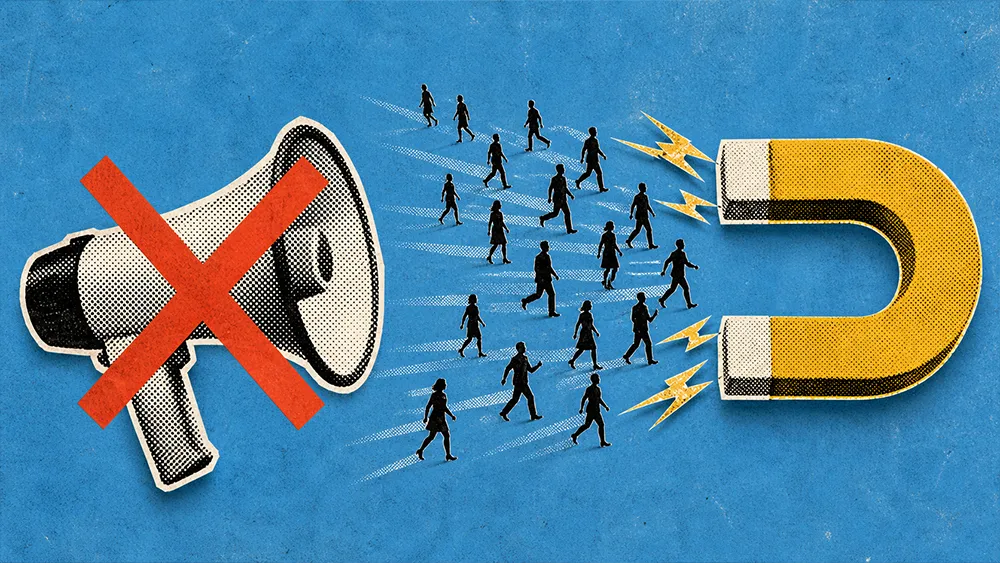
The one-off influencer campaign is fading fast. Brands are moving beyond renting a creator’s audience for a single moment and instead building creators into their everyday content infrastructure. Now, they're being included beyond campaign launches in live community moments, product feedback loops, and ongoing customer education. Recent data on creator trends reflects how widespread this shift has become, and what used to be a tactic is now a full-on operating model. At a functional level, building this type of engine comes down to three things: team structure, measurable performance, and a willingness to give up some creative control.
Sarah Adam, Head of Growth Partnerships & Influencer Marketing at Wix, built that model at scale. She grew the company’s influencer program from the ground up to more than 500 active partnerships, producing over 2,000 pieces of creator content annually across five markets with a team of just five partnership managers. Her work also earned her a seat on the Global Influencer Council alongside leaders from Amazon, Google, and Adobe. Adam now teaches B2B influencer marketing on the Maven platform, with a forthcoming course focused on AI and tech brands, and has built a strong following by sharing insights on the creator economy on LinkedIn. Through that experience, she’s developed a clear perspective on how creator programs operate at scale and what it takes to sustain them over time.
"Long-term creator relationships are the foundation of any effective influencer strategy. They allow brands to work faster, scale more efficiently, and turn influencers into real extensions of the brand," says Adam. That approach reshapes the role creators play inside the organization. Their work extends beyond campaign moments into the broader content ecosystem, from generating UGC for ads to supporting organic social, live activations, and product education. "When influencer marketing is truly integrated, it stops being a campaign add-on and becomes woven into every layer of communications strategy," Adam notes. "It can play a significant role in the brand's growth strategy."
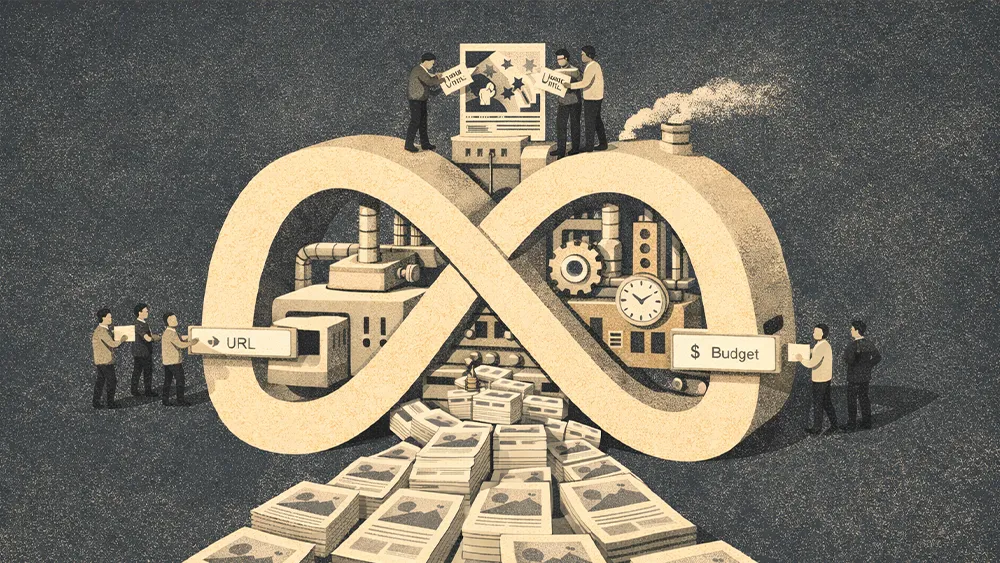
The content factory: Today, a creator’s video is one piece of a broader content system. Brands are using creators as an ongoing production layer, generating assets that can be reused across channels. That model aligns with the move toward video-first strategies, where short-form content is designed to travel across multiple touchpoints and support a range of marketing efforts. "Combining influencers, thought leaders and content creators in areas like education, events, and content marketing can be extremely beneficial to the brand, from a content quality perspective and operational standpoint," Adam explains. "Thinking of influencers as an external, outsourced content machine and integrating their content into these areas will enhance and enrich the brand's existing content, giving it relevance and diversity, allowing the brand to become more trustworthy, more relatable, and capable of reaching new audiences."
At Wix, Adam saw the impact of bringing creators into more than just social promotion. They were integrated into community initiatives, brand events, and educational content, expanding their role across the organization, a model that's becoming more common. Creators are increasingly becoming a part of webinars, virtual events, and ongoing thought leadership, contributing in ways that extend well beyond a single campaign. The key to making it work at scale is focusing on a tighter, more intentional roster. By focusing on a smaller group of trusted creators, Adam’s team can move faster, reuse content more effectively, and respond quickly to new opportunities.
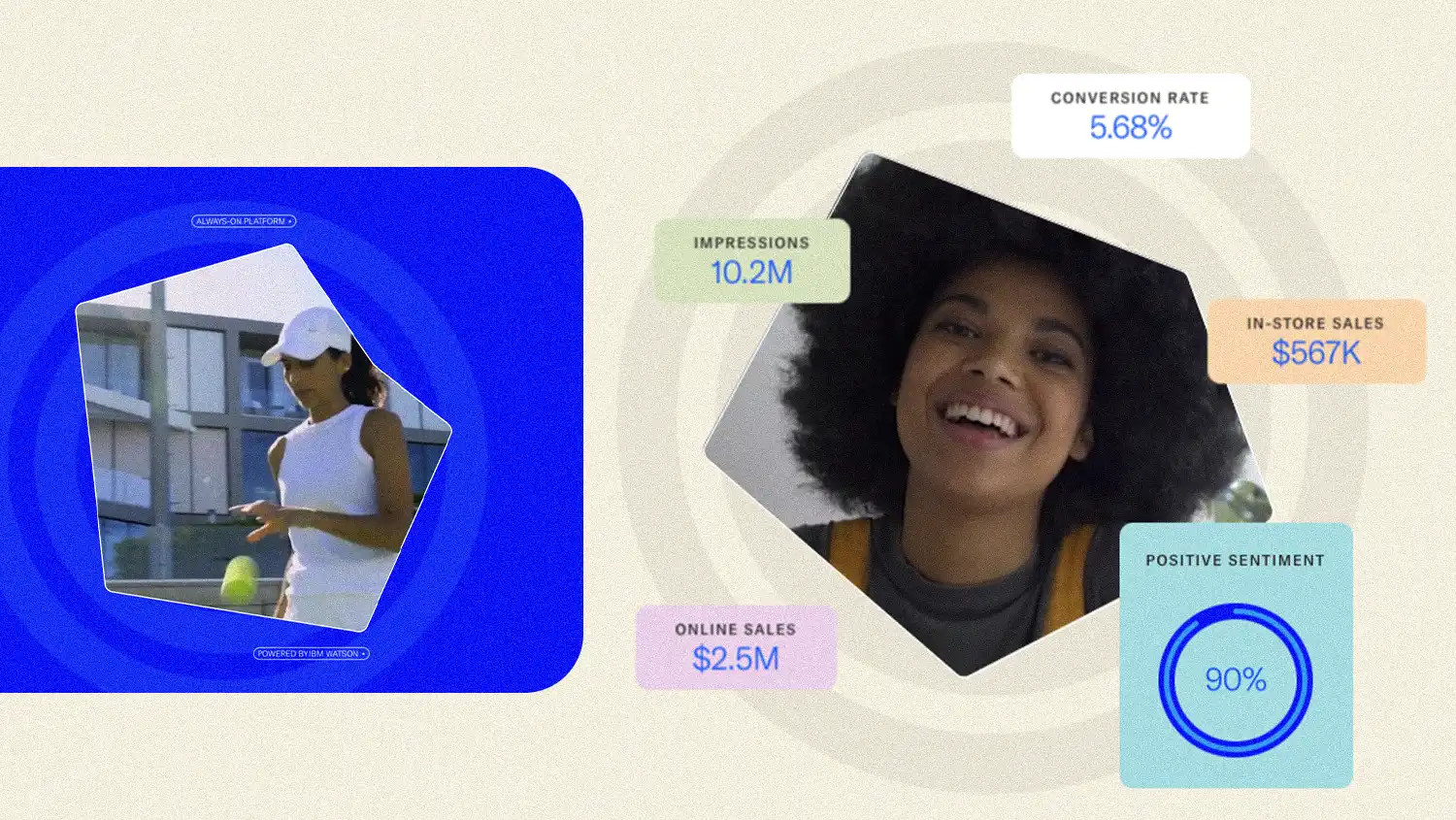
Funnel vision: As creators take on more integrated roles in areas like product advisory and education, measurement becomes more important. Teams need clarity on what success looks like before the work begins, whether that’s building awareness, driving traffic, or generating conversions. That upfront definition shapes both how performance is evaluated and how the program is structured overall. "Generally speaking, there are three possible goals: brand awareness, conversions, and driving traffic," Adam explains. "Each goal leads to different KPIs and measurement methods. If your goal is brand awareness, then measuring impressions and engagement will be your main KPIs. If your goals are conversion or traffic, then you are looking at harsher measurements of sales, or new users, depending on your specific product offering."
Freedom within the frame: For many teams, clear measurement is what makes more flexible, creator-led work possible. When goals and performance are defined upfront, it becomes easier to give creators room to operate while still maintaining accountability. Adam believes this kind of balance is especially important as marketers place more emphasis on trust and relatability, areas where human creators tend to resonate more strongly than automated content. "I am a strong believer in giving influencers and content creators the creative freedom they need to create content that is true to their own brand and style," she says. "After all, that is what makes them influencers. It's our job to strike a healthy balance between the brand needs, the brief and guidelines, and creative freedom to make sure content is authentic and delivers the message in a way that is real and relatable."
The clearest signal of a mature creator strategy is consistency. Brands that treat creators as long-term partners are able to produce a steady stream of content, respond more quickly to trends, and build trust over time. This often shows up as a smaller group of creators working in ongoing relationships, generating content aligned to the brand’s ideal customer profile. Industry data reflects the same pattern, with more teams prioritizing long-term partnerships over one-off activations. Adam says a quick way to evaluate the difference is to look at the roster itself. "It comes down to the actual partnerships. Are they one offs or long term?" she concludes. "If most are long term, maintaining a constant stream of content, targeting the brand's ICP, and consistently delivering its message in an authentic way, this is a sign of a strategic influencer program and one that can allow the brand to be more effective, go live with more content, scale and react fast to industry trends."