All articles
Meta Plans to Fully Automate Ad Creation by Year's End. The Question for Creative Teams Is What Comes After.
As Advantage+ moves toward end-to-end AI campaigns, creative volume — not audience targeting — is becoming the primary performance lever, and the implications extend beyond media buying.

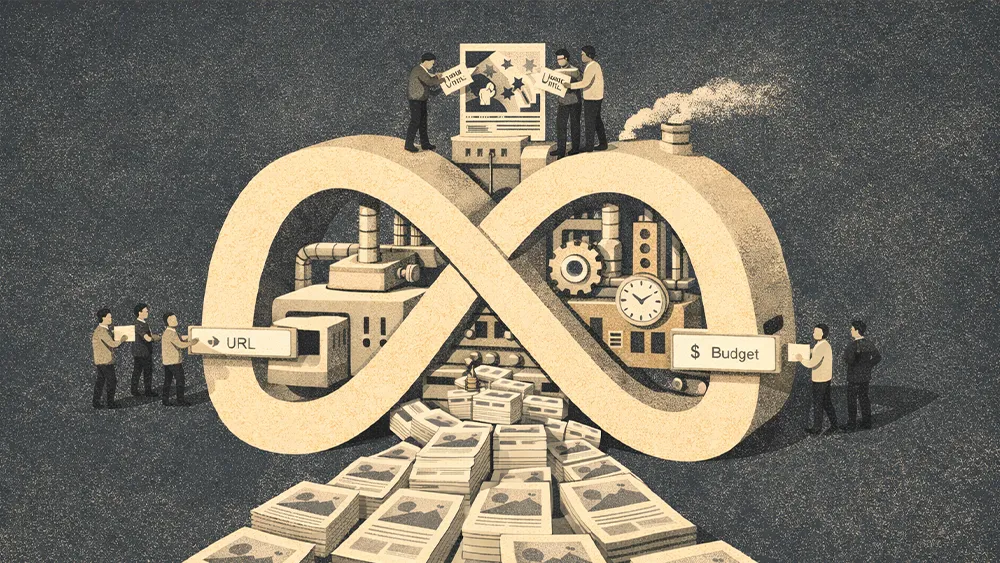
Meta's trajectory toward fully automated advertising has been public for more than a year, but the timeline is now concrete. The company expects to offer end-to-end AI-automated ad campaigns by the end of 2026, where an advertiser provides a business URL and a budget, and Meta's systems generate the creative, select the audience, choose placements, and optimize delivery. A comprehensive April 2026 analysis from Digital Applied found that 65% of advertisers are already scaling campaigns through Advantage+, and that a new image-to-video tool now converts up to 20 product photos into multi-scene video ads within the platform.
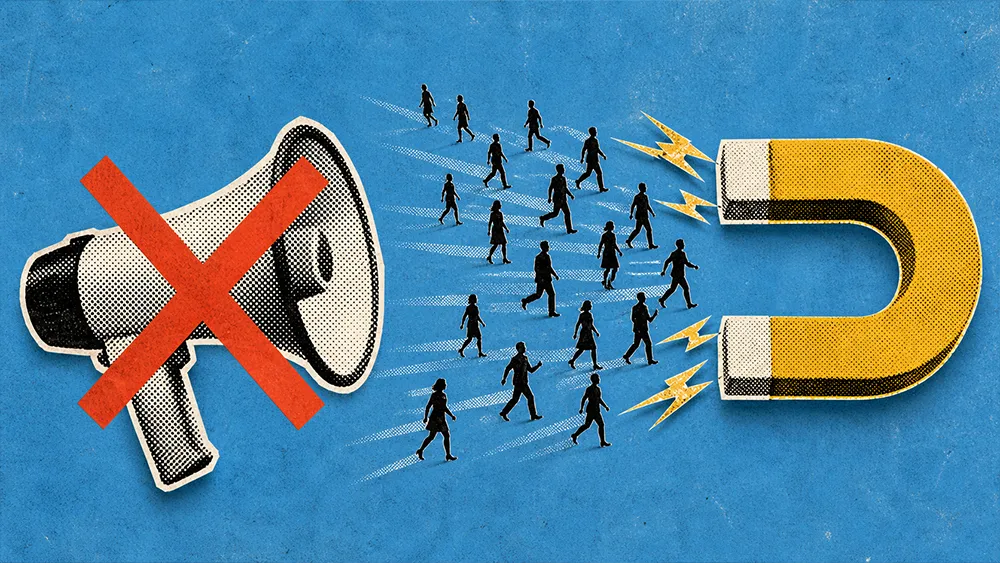
Targeting gives way to creative: The structural change is that audience targeting is becoming fully automated through AI signals — including, as of March 2026, anonymized data from Meta AI chat conversations. With targeting handled by the algorithm, the primary variable an advertiser controls is creative. That reality fundamentally changes the creative production model. Teams accustomed to producing a handful of polished assets per quarter are now operating in an environment where asset variety drives algorithmic performance.
The sameness problem: Increased automation carries a visible risk. When every advertiser feeds similar product photos into the same generative system, the outputs converge. The brands whose AI-generated ads actually stand out are the ones that built distinctive visual identity systems, brand voice guidelines, and production-quality source assets before the automation layer was applied. Platforms like Brandlive have built creative toolsets around this exact premise — enabling teams to produce broadcast-quality branded content that serves as distinctive raw material for any downstream distribution channel. The differentiator is upstream, in the brand infrastructure that informs the machine.
Algorithm sensitivity: The March 2026 Advantage+ algorithm update shifted how the system weighs engagement signals, according to Digital Applied, causing temporary performance fluctuations across advertiser accounts. Teams that understood the change adapted within days. Teams that didn't saw cost-per-acquisition spike. The episode illustrates a broader dynamic: as automation increases, the consequences of weak inputs — poor creative, incomplete product data, imprecise brand guidelines — are amplified rather than smoothed over. The system optimizes what it receives, and weak foundations produce weak outputs at scale.
The strategic implication extends beyond media buying. If Meta's system can generate, target, and optimize an ad campaign from a URL and a budget, the role of the marketing team shifts toward the assets and decisions that happen before the ad is built: brand positioning, visual identity, content libraries, and production-quality video and imagery that give the machine something distinctive to work with. The teams investing in that upstream infrastructure now are building a compounding advantage. The teams waiting to see how automation plays out are increasingly competing on an even field with every other advertiser using the same tools and the same defaults.