All articles
How SXSW and NewFronts Highlighted Creativity and AI As Video’s Dual Drivers

SXSW and NewFronts offered two distinct views of video’s future, one focused on creativity and trust, the other on AI-driven execution and performance.

In the span of two weeks, the marketing world got a clear view of where video is heading from two very different angles. At SXSW (March 12–18), the conversation centered on the role of human creativity in an AI-heavy environment. “AI slop” became a common concern, creators were positioned as trusted guides, and much of the energy focused on storytelling as a distinctly human strength. A few days later at IAB NewFronts (March 23–26), the focus shifted toward execution.
The AI-powered video ecosystem is already taking shape, with streaming and CTV operating as performance channels and AI integrated across creation, targeting, buying, and measurement. Announcements leaned into automation, shoppable formats, and more precise optimization. The brands gaining traction are building with both layers in mind. AI is being integrated into the underlying systems that power production and distribution, while human judgment and authentic presence shape what audiences actually experience. What’s emerging is a more complete structure for how video gets made, delivered, and measured.
Humans make the call: At SXSW, AI was impossible to ignore. It showed up across panels, brand activations, and just about every conversation happening on the ground. What stood out wasn’t just how widely AI is being adopted, it was how consistently the conversation came back to the role of people. Across sessions, brand and agency leaders pointed to the same dynamic: AI can generate ideas, variations, and outputs at scale, but human judgment is still what shapes the final product.
Real still wins: The discussion moved quickly past what AI can do and into what it means for creativity more broadly across music, film, and brand storytelling. Some speakers raised concerns about overuse and sameness, while others pointed to the opportunity for more experimentation. What kept coming up, though, was trust. The idea that audiences still gravitate toward creators and brands that feel real, not just optimized.
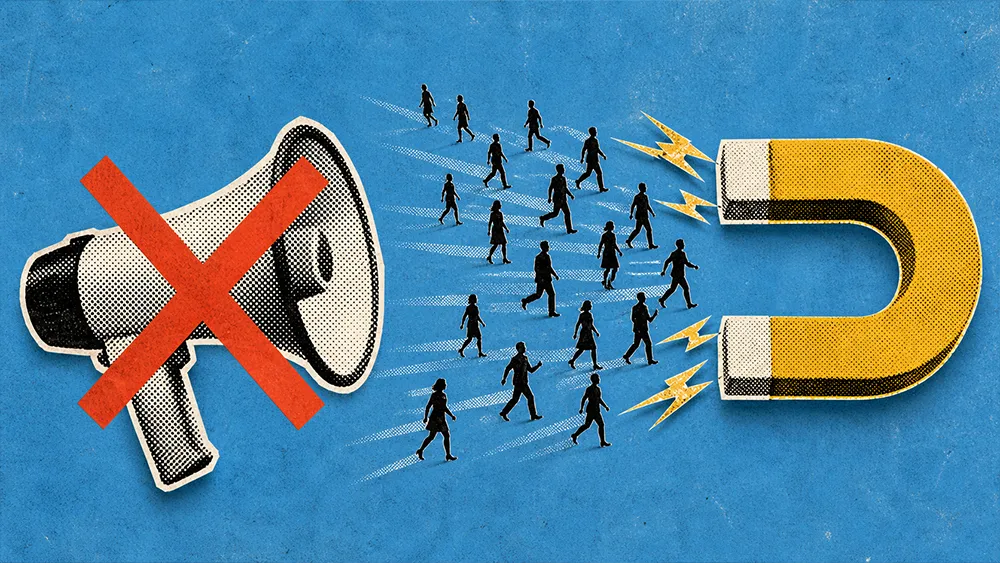
The slop solution: One phrase captured that concern and came up repeatedly: "AI slop". It’s being used to describe the growing volume of AI-generated content that looks polished on the surface but lacks depth or originality. And it’s starting to shape how both marketers and audiences think about content quality, especially as production scales. Within SXSW’s Brand & Marketing track, that tension led to a consistent theme: storytelling still wins. Clear, well-developed narratives are what drive engagement, trust, and ultimately conversion. The takeaway: produce better content, with a level of craft and intention that stands out in an increasingly crowded environment.
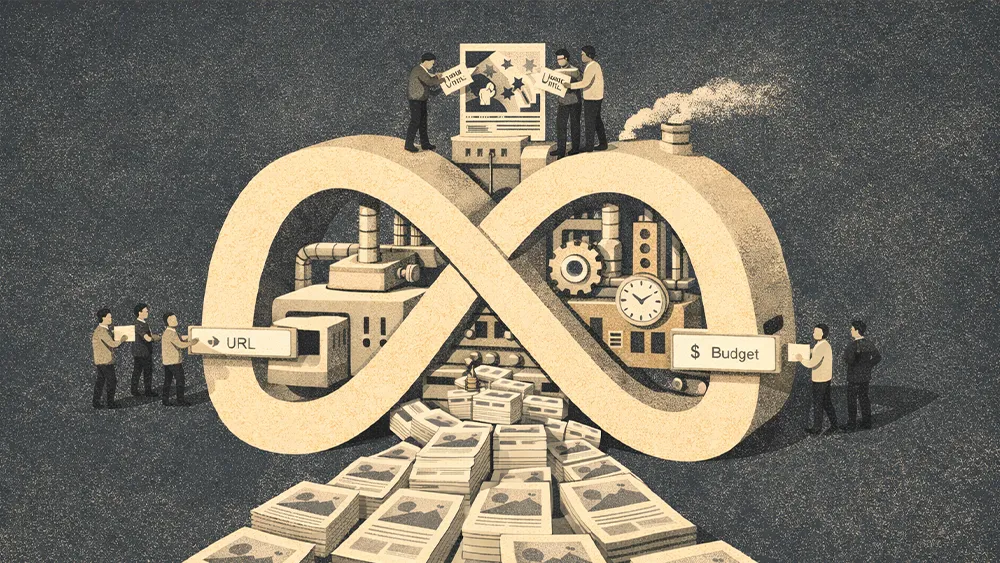
A week later at NewFronts, the conversation picked up from a different angle that was less about philosophy and more about execution. The Interactive Advertising Bureau positioned this year’s event as a major inflection point for streaming, CTV, and AI-powered video. CEO David Cohen emphasized that AI is now integrated across the full lifecycle of video, from how content gets made to how media is bought, sold, and measured.
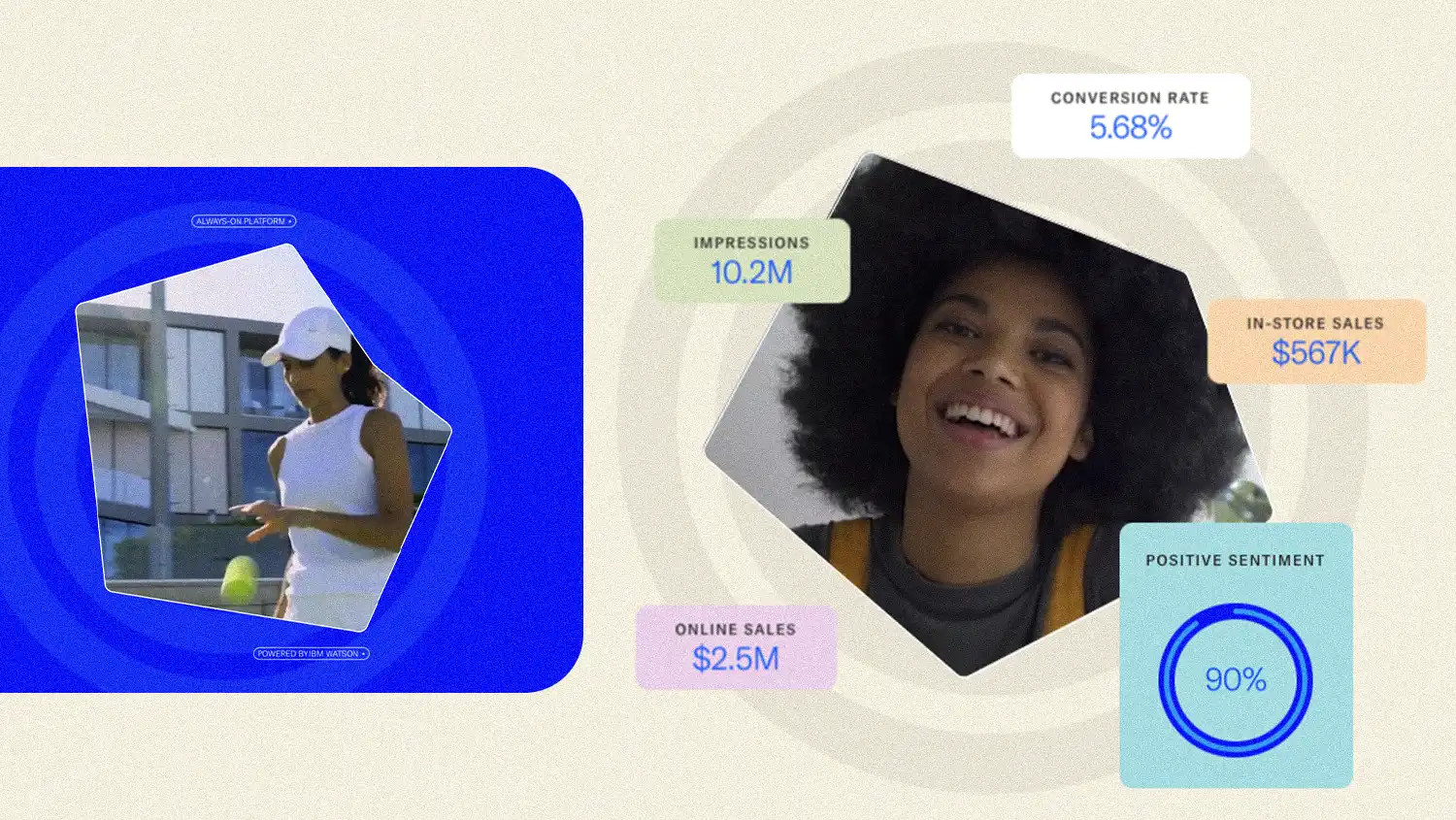
Matchmaking machine: YouTube introduced Creator Partnerships (formerly BrandConnect), a centralized platform powered by Gemini AI that helps brands find and work with creators across its Partner Program. The system looks at audience overlap, organic brand mentions, and growth patterns to identify stronger matches. It also includes a feature that allows brands to turn existing creator content into ads, with early results pointing to meaningful lifts in conversion.
From couch to cart: At the same time, Amazon and Samsung introduced a new shoppable CTV experience set to launch in 2026, allowing viewers to purchase products directly from their TV screens through Samsung TV Plus. For years, video has been one of the hardest channels to connect to direct outcomes, often sitting at the awareness stage without a clear path to conversion. Bringing commerce directly into the viewing experience is a step toward closing a long-standing gap for marketers, making it easier to connect video exposure to actual purchase behavior.
Across SXSW, NewFronts, and broader industry data, a clear direction is coming into focus. Video is no longer evolving as a single channel, it’s being built as a system. Investment is rising, expectations are increasing, and accountability is tightening as marketers are pushed to connect video exposure to real business outcomes like pipeline, purchases, and revenue. At the same time, live content is becoming more integrated into streaming environments, with programmatic access making it easier to bring real-time moments into broader strategies. Together, these changes are raising the bar for how video is planned, executed, and measured.
Underneath it all, AI is becoming part of how the system runs, shaping targeting, optimization, and measurement in ways that aren’t always visible. But as content volume increases, so does the importance of what audiences actually experience. The brands gaining traction are the ones structuring these pieces to work together, using AI to support scale and efficiency, while relying on human judgment to create content that earns attention and trust. The advantage isn’t coming from one approach alone, but from how well those elements are connected.